

We’re a nation of animal lovers. That is why I am proud that today, in my capacity as Environment Secretary, I have launched the most ambitious animal welfare strategy in a generation.
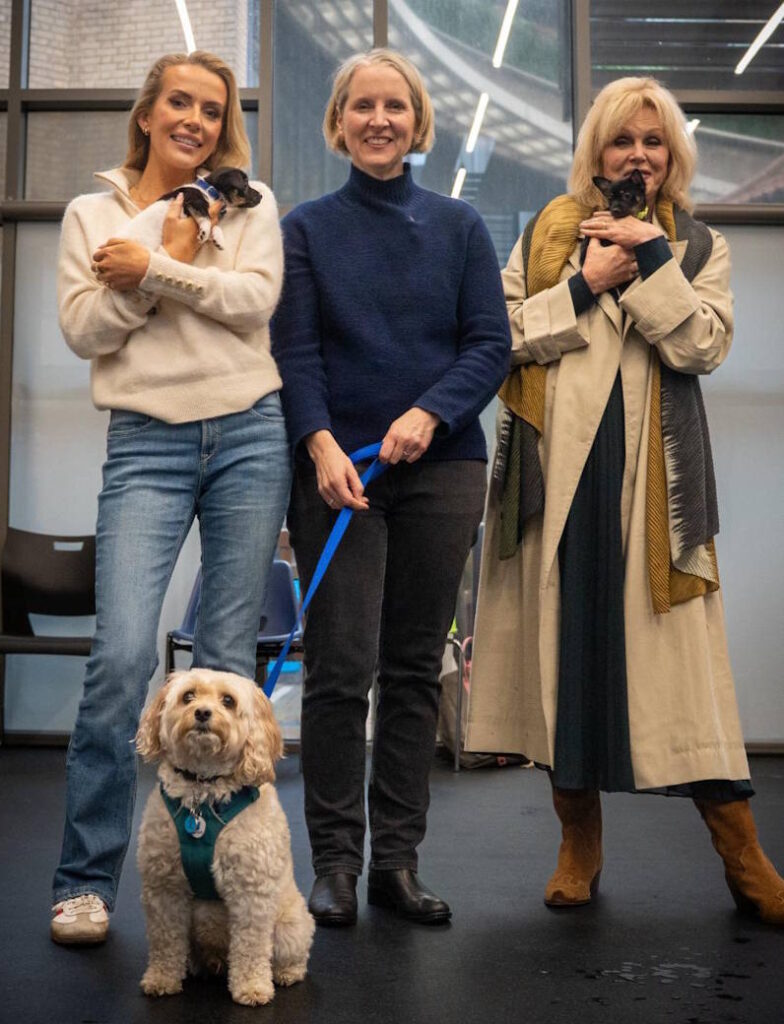
Last week I visited Battersea Dogs and Cats Home and it reminded me that millions of families welcome pets into their homes every year. Our strategy will raise welfare standards for animals in the home, on the farm and in the wild.
We’ve already acted to improve zoo standards, end puppy smuggling and protect livestock from dog attacks. Now, we’re planning to ban caged hens, cruel snares, trail hunting, and curb low welfare dog breeding.
You can find more details of the strategy below.
Improved welfare for companion animals by:
- Reforming dog breeding practices to improve health and welfare, preventing animals from becoming unwell and ending puppy farming
- Consulting on a ban on the use of electric shock collars due to the possible harm to our pets
- Considering the introduction of new licences for domestic rescue and rehoming organisations to ensure rescues have the right checks in place
- Promoting responsible dog ownership to protect public safety
Improved welfare for farmed animals by:
- Moving away from confinement systems such as colony cages for laying hens and the use of pig farrowing crates
- Addressing the welfare issues that arise from the use of carbon dioxide to stun pigs because of animal welfare concerns
- Introducing humane slaughter requirements for farmed fish to spare them avoidable pain
- Promoting the use of slow growing meat chicken breeds
Improved protection for wild animals by:
- Banning trail hunting amidst concerns it is being used as a smokescreen for hunting
- Banning snare traps because they cause suffering to animals and can catch pets
- Introducing a close season for hares which should reduce the number of adult hares being shot in the breeding season, meaning that fewer young hares are left motherless and vulnerable to starvation and predation